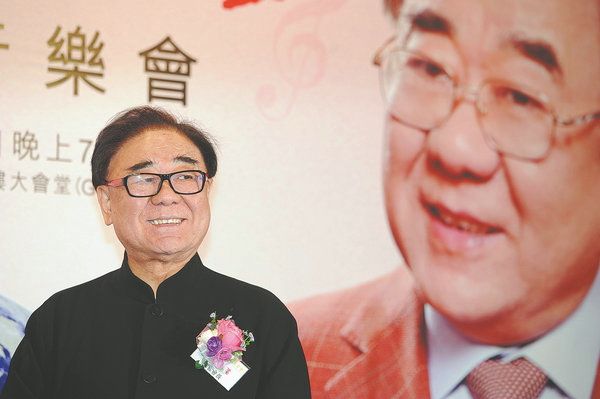
Jin Tielin
Introduction
Jin Tielin (1940-2022) was a distinguished Chinese vocal professor, musician, and former president of the China Conservatory of Music. Renowned for his unique teaching methods in vocal music, Jin made significant contributions to the education and training of Chinese vocalists. His career spanned decades, during which he nurtured many famous vocalists and developed a distinctive teaching path that combined Western operatic singing styles with Chinese ethnic music. Jin's legacy continues to influence the field of music education in China, and his contributions have left an indelible mark on the country's cultural landscape.
Early Life and Education
Jin Tielin was born in 1940 in Harbin, Heilongjiang province, into a family of doctors. Despite this medical background, Jin's passion for music was evident from a young age. In 1960, he was admitted to the Central Conservatory of Music in Beijing, which was considered the premier music institution in China at that time. There, Jin studied under Professor Shen Xiang, a renowned vocal educator. During his time as a student, Jin not only honed his skills as a tenor but also developed a keen interest in researching vocal techniques. His early exposure to vocal training and his dedication to understanding the intricacies of singing laid the foundation for his future career as a vocal professor.
Career
Teaching Career
After graduating in 1965, Jin Tielin became a soloist at the Central Orchestra, now known as the China National Symphony Orchestra. His involvement in the performance arts extended beyond singing, as he also learned to perform Peking Opera, a traditional Chinese art form that combines singing, dancing, and martial arts. This experience allowed Jin to explore the potential of integrating different singing styles, including blending the unique singing style of Peking Opera with Western singing techniques. In 1981, Jin began teaching at the China Conservatory of Music, where he dedicated himself to developing teaching methods specifically for Chinese vocal music. His approach combined the Western style of operatic singing with traditional Chinese folk songs, creating a unique methodology that resonated with his students. Jin's teaching career was marked by his commitment to nurturing talent and fostering a collaborative learning environment.
Contributions to Music
Jin Tielin's contributions to music, particularly in the field of vocal education, were substantial. He was instrumental in training many successful singers, such as Yan Weiwen, Zhang Ye, and Dai Yuqiang, who have become prominent figures in Chinese music. Jin's innovative teaching methods and his ability to adapt to the individual needs of his students played a significant role in their development. He published several books on his teaching methods, sharing his insights and knowledge with a broader audience. Jin's influence extended beyond his students, as he also served as a judge at numerous national vocal music competitions, shaping the future of vocal music in China. His dedication to advancing Chinese vocal music and his efforts to integrate traditional and contemporary styles have left a lasting impact on the field.
Legacy and Influence
Jin Tielin's legacy in the world of music is characterized by his innovative approach to vocal education and his commitment to fostering talent. His teaching methods continue to influence vocal pedagogy in China, as many of his students have gone on to achieve success in their own right. Jin's efforts to bridge the gap between Western and Chinese vocal traditions have enriched the cultural landscape and provided a foundation for future generations of vocalists. His contributions to music education and his ability to inspire and mentor young artists ensure that his influence will be felt for years to come. Jin Tielin's passing marks the end of an era, but his legacy lives on through the voices of those he trained and the music they continue to create.








